What makes an emerald valuable
Emerald is the green variety of beryl, colored by chromium and vanadium. It ranks 7.5–8 on the Mohs scale and almost always contains inclusions — the trade calls them jardin, the garden — so clarity is judged differently than for other gems.
- Color. Vivid, saturated green with a slightly bluish tint is the most valued. Color matters more than clarity.
- Origin. Colombia is the classic source; Zambia produces fine emeralds often with a cooler, bluish green; Brazil is another source.
- Clarity enhancement. Most emeralds are treated with oil or resin to reduce the visibility of fractures. Lab reports describe the type and degree; minor enhancement is normal, heavy enhancement lowers value.
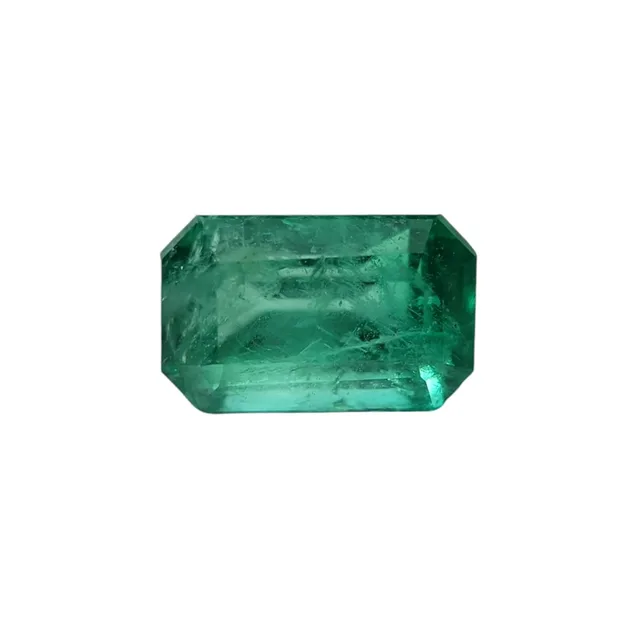
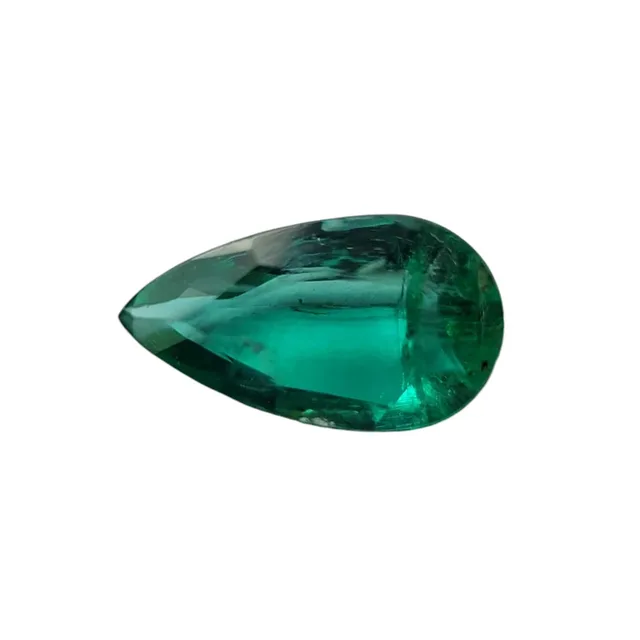
- Cut. The step-cut "emerald cut" protects the stone and shows color well; pear and oval cuts are also common.
Why tokenize an emerald
Emeralds require careful handling and expert assessment, which makes them hard to trade between private parties. A tokenized emerald keeps the stone safe in custody while its ownership, and the lab report behind it, move on-chain.
Redeeming the physical stone
Every token in the collection can be exchanged for its gemstone in four steps: request redemption on the redemption page, send the NFT to the public "MyGemsNFT Redeemed" wallet, confirm your shipping details, and receive the certified stone by FedEx or UPS, insured and trackable. There is no redemption fee — insured worldwide shipping is built into the NFT price.
Because redeemed NFTs stay locked in a public wallet anyone can inspect on OpenSea, the same stone can never be redeemed twice.
New to the concept? Read how tokenized gems work.