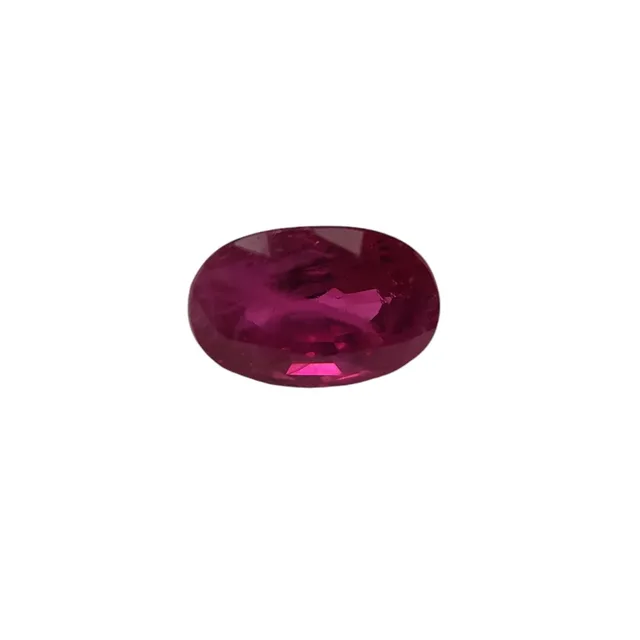
What makes a ruby valuable
Ruby is the red variety of corundum, the same mineral as sapphire, colored by chromium. At 9 on the Mohs scale it is extremely durable, and fine rubies are among the most valuable colored gemstones per carat.
- Color. A pure, vivid red to slightly purplish red is the benchmark. Stones that lean orange or brown are valued lower.
- Origin. Burma (Myanmar) rubies are historically the most prized for their glowing red; Mozambique and Thailand are other important sources.
- Treatment. Heating is common and accepted. Lead-glass filling is a far more significant treatment that greatly reduces value — which is why an independent lab report matters.
- Size. Fine rubies above one carat are rare, and prices climb steeply with weight.
Why tokenize a ruby
Rubies are small, portable and durable, but trading them traditionally requires trust between buyer and seller. A tokenized ruby pairs the stone in custody with an on-chain token and a lab report, so ownership can be transferred globally and verified publicly.
Redeeming the physical stone
Every token in the collection can be exchanged for its gemstone in four steps: request redemption on the redemption page, send the NFT to the public "MyGemsNFT Redeemed" wallet, confirm your shipping details, and receive the certified stone by FedEx or UPS, insured and trackable. There is no redemption fee — insured worldwide shipping is built into the NFT price.
Because redeemed NFTs stay locked in a public wallet anyone can inspect on OpenSea, the same stone can never be redeemed twice.
New to the concept? Read how tokenized gems work.