What are tokenized gems?
Tokenized gems are physical gemstones whose ownership is recorded as a token on a blockchain. The stone itself sits in professional custody; the token is the title to it. Whoever holds the token owns the gem, can sell it to anyone in the world in minutes, or can redeem it and have the stone shipped to their door.
They are part of the wider move to bring real-world assets (RWA) on-chain — the same trend that has put treasury bills, real estate, gold and diamonds on blockchains. Tokenized gems apply it to colored gemstones such as sapphires, rubies, emeralds and spinels.
In one sentence: a tokenized gem is a certified stone in a vault, plus a blockchain token that proves who owns it and lets them trade or redeem it.
How gemstone tokenization works
- Sourcing. Natural stones are selected, ideally by a qualified gemologist, with known origin.
- Certification. An independent gemological laboratory grades each stone and issues a report: species, weight, measurements, color, origin where determinable, and any treatment such as heating or clarity enhancement.
- Custody. The stone is sealed and stored in a professional vault, with periodic audits.
- Minting. A token is created on a blockchain — on Ethereum, usually an ERC-721 NFT, because every gemstone is unique. The token's metadata points to the stone and its lab report.
- Trading. The token can be bought and sold on NFT marketplaces 24/7, without moving the physical stone.
- Redemption. The holder returns the token and receives the stone. The token is then burned or locked so the same gem cannot be claimed twice.
Tokenized gems vs other tokenized assets
Not all tokenized assets work the same way. The main difference is whether the underlying asset is interchangeable (fungible) or unique.
| Asset | Typical token | Unit | Redeemable? |
|---|---|---|---|
| Tokenized gold | Fungible (ERC-20) | A weight of gold in a vault | Often, above a minimum amount |
| Tokenized treasuries / funds | Fungible (ERC-20) | A share of a fund | For cash, not a physical item |
| Tokenized real estate | Fungible shares | A fraction of a property | No — you own a share, not the building |
| Tokenized diamonds | NFT or fractional tokens | A stone or a share of one | Depends on the project |
| Tokenized colored gems (MyGemsNFT) | Non-fungible (ERC-721) | One whole certified stone | Yes — 1:1, no redemption fee |
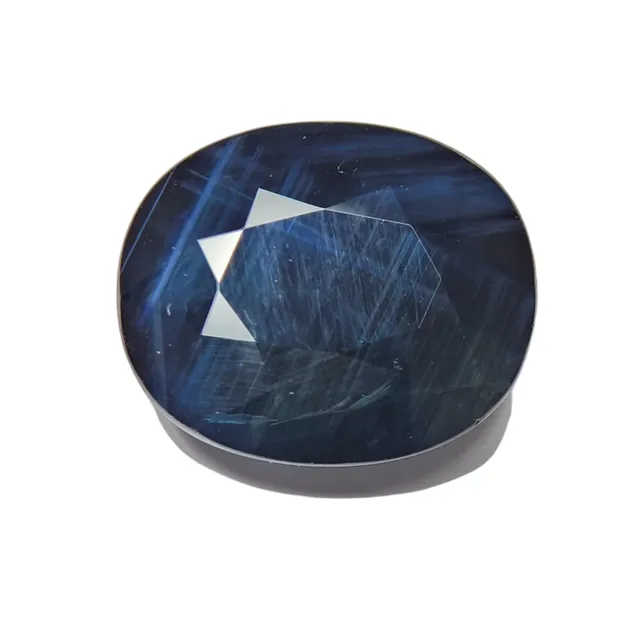
Because each colored gemstone is unique, a non-fungible token is the natural fit: token #68 is always the same 9.19 ct sapphire, with its own lab report.
Why colored gemstones
- Value density. A stone of a few carats can carry significant value in a very small, durable object — easy to store and to ship.
- Durability. Sapphire and ruby rank 9 on the Mohs hardness scale, spinel 8 and emerald 7.5–8. They last for generations.
- Independent grading. Recognized laboratories document species, origin and treatment, which gives buyers a shared reference.
- Scarcity signals. Origin (Kashmir, Burma, Zambia, Madagascar…) and the absence of heat treatment are rare and well understood by the trade.
Explore each stone type: sapphire NFTs, ruby NFTs, emerald NFTs and spinel NFTs.
What to check before you buy a tokenized gem
- 1:1 backing. Is each token backed by one specific stone, or by a pool you cannot identify?
- Independent lab report. Which laboratory, and do the report's weight, measurements and treatment match the token?
- Custody. Where is the stone held, and how is custody audited?
- Redemption. Can you actually receive the stone? What does it cost, and where do they ship?
- On-chain transparency. Can you verify redeemed tokens publicly, so stones cannot be double-claimed?
- Whole or fractional. Fractions are cheaper per unit but usually cannot be redeemed for a physical stone.
- Promises. Be cautious of guaranteed yields or returns. A gemstone is an asset, not an income product.
Risks to understand
Tokenized gems are not risk-free, and any honest project should say so:
- Pricing. Colored gemstones have no single exchange price like gold. Value depends on the individual stone and on finding a buyer.
- Liquidity. Tokens trade 24/7, but a sale still needs a buyer at your price.
- Crypto exposure. Prices are often quoted in ETH, so the value in dollars moves with ETH.
- Custody and counterparty. You rely on the issuer's vault, audits and redemption process.
- Regulation. Rules for tokenized assets are still evolving and differ by country.
This guide is educational and is not financial advice.
How MyGemsNFT tokenizes gems
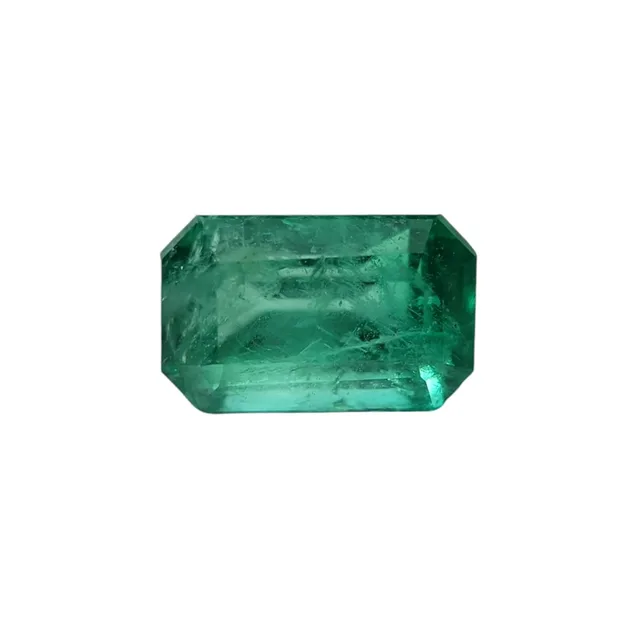
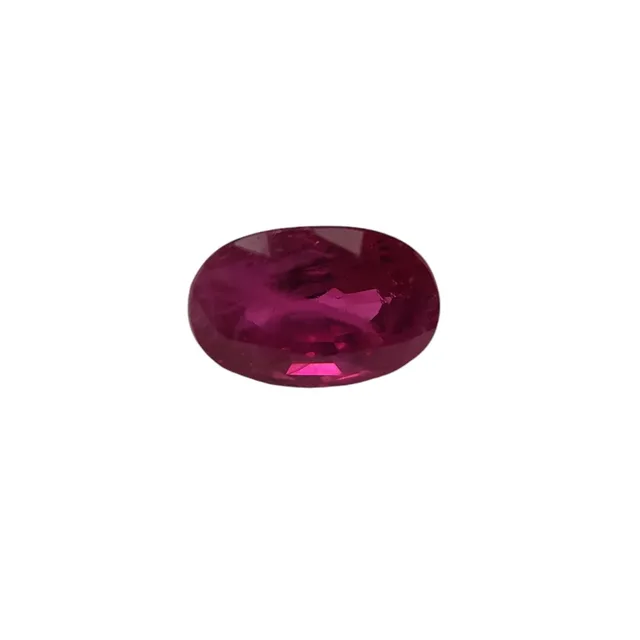
MyGemsNFT's Gemstone Genesis collection is 200 ERC-721 NFTs on Ethereum, each backed 1:1 by a certified natural gemstone — sapphires, rubies, emeralds and spinels, 255 carats in total. Stones are selected by a certified gemologist, certified by independent laboratories (IGI, AIG, GFCO, ALGT and GGI, depending on the stone), and held in a secure vault with custody audited by notarial deed.
Redeeming the physical stone
Every token in the collection can be exchanged for its gemstone in four steps: request redemption on the redemption page, send the NFT to the public "MyGemsNFT Redeemed" wallet, confirm your shipping details, and receive the certified stone by FedEx or UPS, insured and trackable. There is no redemption fee — insured worldwide shipping is built into the NFT price.
Because redeemed NFTs stay locked in a public wallet anyone can inspect on OpenSea, the same stone can never be redeemed twice.