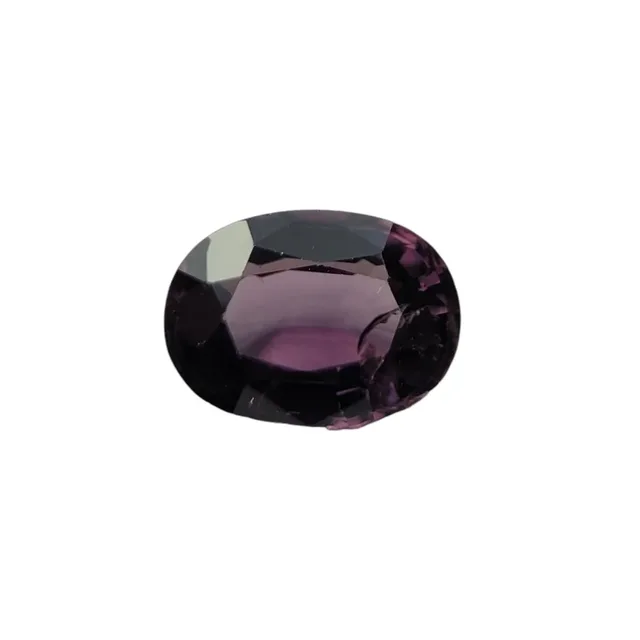
What makes a spinel valuable
Spinel is a magnesium aluminium oxide that ranks 8 on the Mohs scale. For centuries red spinels were mistaken for rubies — the famous "Black Prince's Ruby" in the British Imperial State Crown is in fact a spinel. Today spinel is valued on its own merits and is a favorite of collectors.
- Usually untreated. Unlike most colored gems, spinel is rarely heated or enhanced, so a report stating no evidence of enhancement is common and highly regarded.
- Color range. Red, pink, purple, lavender, gray and the rare cobalt blue. Vivid reds and pinks command the highest prices.
- Brilliance. Spinel is singly refractive and often very clean, giving bright, lively stones.
- Rarity. Fine spinel is scarcer than many buyers expect, and large clean stones are rare.
Why tokenize a spinel
Spinel's appeal to collectors makes it a natural candidate for on-chain ownership: provenance and lab data travel with the token, and the stone stays safely in custody until the holder chooses to redeem it.
Redeeming the physical stone
Every token in the collection can be exchanged for its gemstone in four steps: request redemption on the redemption page, send the NFT to the public "MyGemsNFT Redeemed" wallet, confirm your shipping details, and receive the certified stone by FedEx or UPS, insured and trackable. There is no redemption fee — insured worldwide shipping is built into the NFT price.
Because redeemed NFTs stay locked in a public wallet anyone can inspect on OpenSea, the same stone can never be redeemed twice.
New to the concept? Read how tokenized gems work.