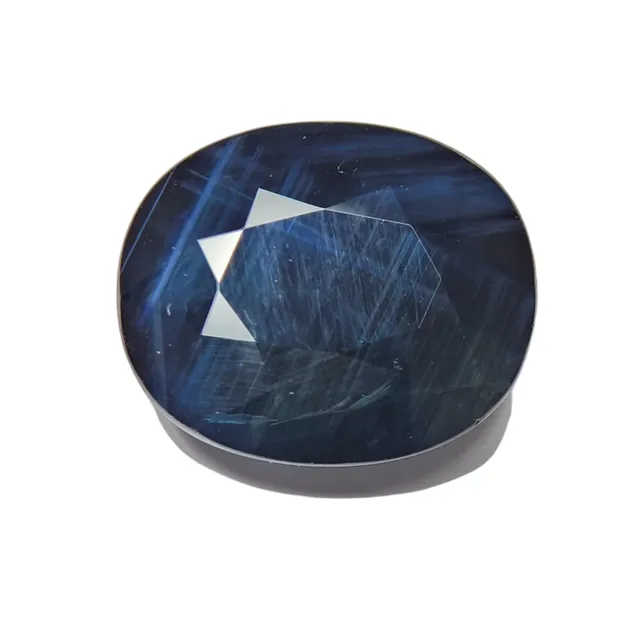
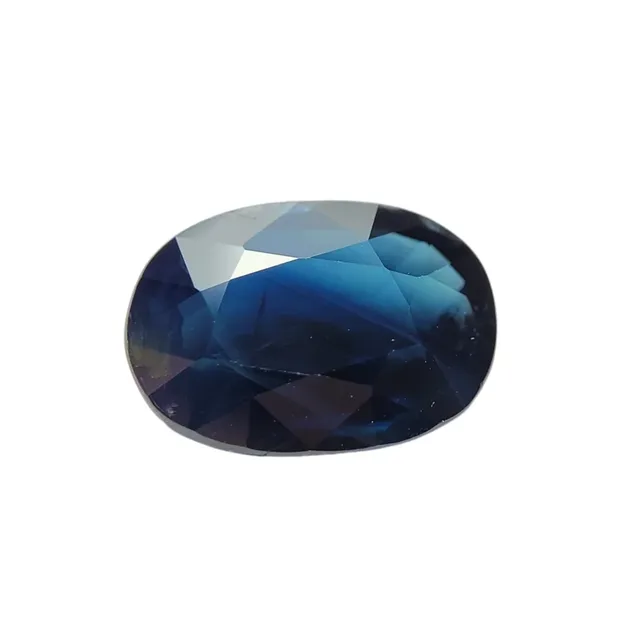
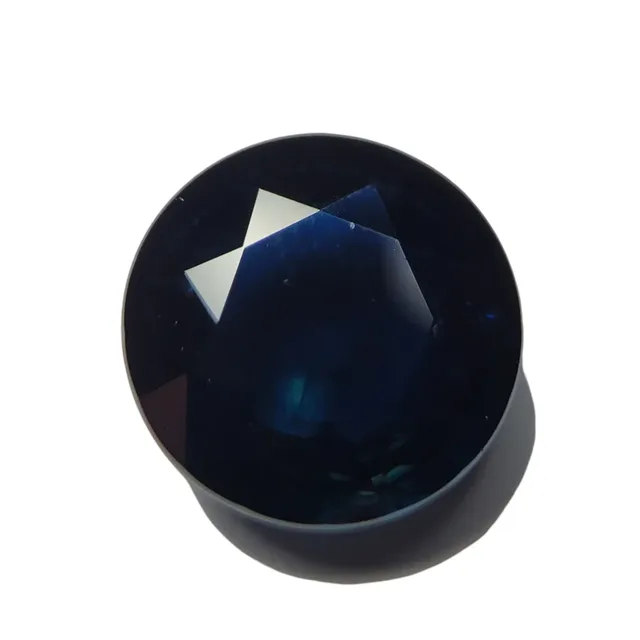
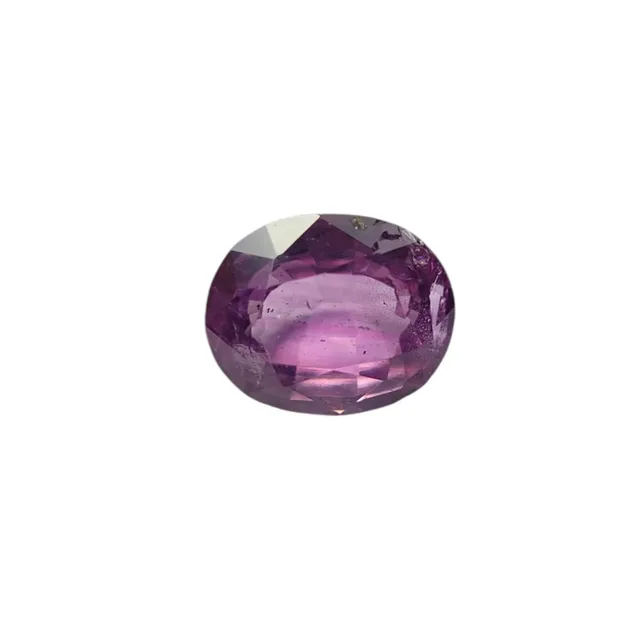
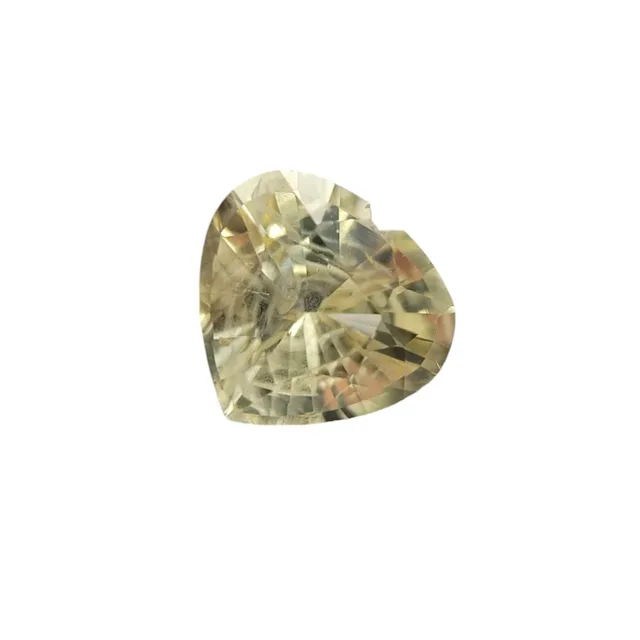
What makes a sapphire valuable
Sapphire is corundum — aluminium oxide — and ranks 9 on the Mohs scale, second only to diamond. Blue is the classic color, but sapphires also come in purple, yellow, pink and green; red corundum is called ruby. Value depends on a handful of factors a lab report documents:
- Color. Saturated, evenly distributed color with a medium to medium-dark tone is the most sought after.
- Origin. Kashmir, Burma (Myanmar) and Sri Lanka carry a premium; Madagascar is today a major source of fine stones.
- Heat treatment. Most sapphires are heated to improve color. A report stating no indication of heating marks a rarer, more valuable stone.
- Carat weight. Fine sapphires above a few carats are scarce, and price per carat rises with size.
- Clarity and cut. Eye-clean stones with a well-proportioned cut return more light and color.
Why tokenize a sapphire
A physical sapphire is hard to sell quickly and costly to store safely. As an ERC-721 NFT on Ethereum, the same stone stays in the vault while its ownership can change hands 24/7, with the lab report attached to the token. The collection includes blue, purple and yellow sapphires, among them unheated stones and a Kashmir-origin purple sapphire.
Redeeming the physical stone
Every token in the collection can be exchanged for its gemstone in four steps: request redemption on the redemption page, send the NFT to the public "MyGemsNFT Redeemed" wallet, confirm your shipping details, and receive the certified stone by FedEx or UPS, insured and trackable. There is no redemption fee — insured worldwide shipping is built into the NFT price.
Because redeemed NFTs stay locked in a public wallet anyone can inspect on OpenSea, the same stone can never be redeemed twice.
New to the concept? Read how tokenized gems work.